


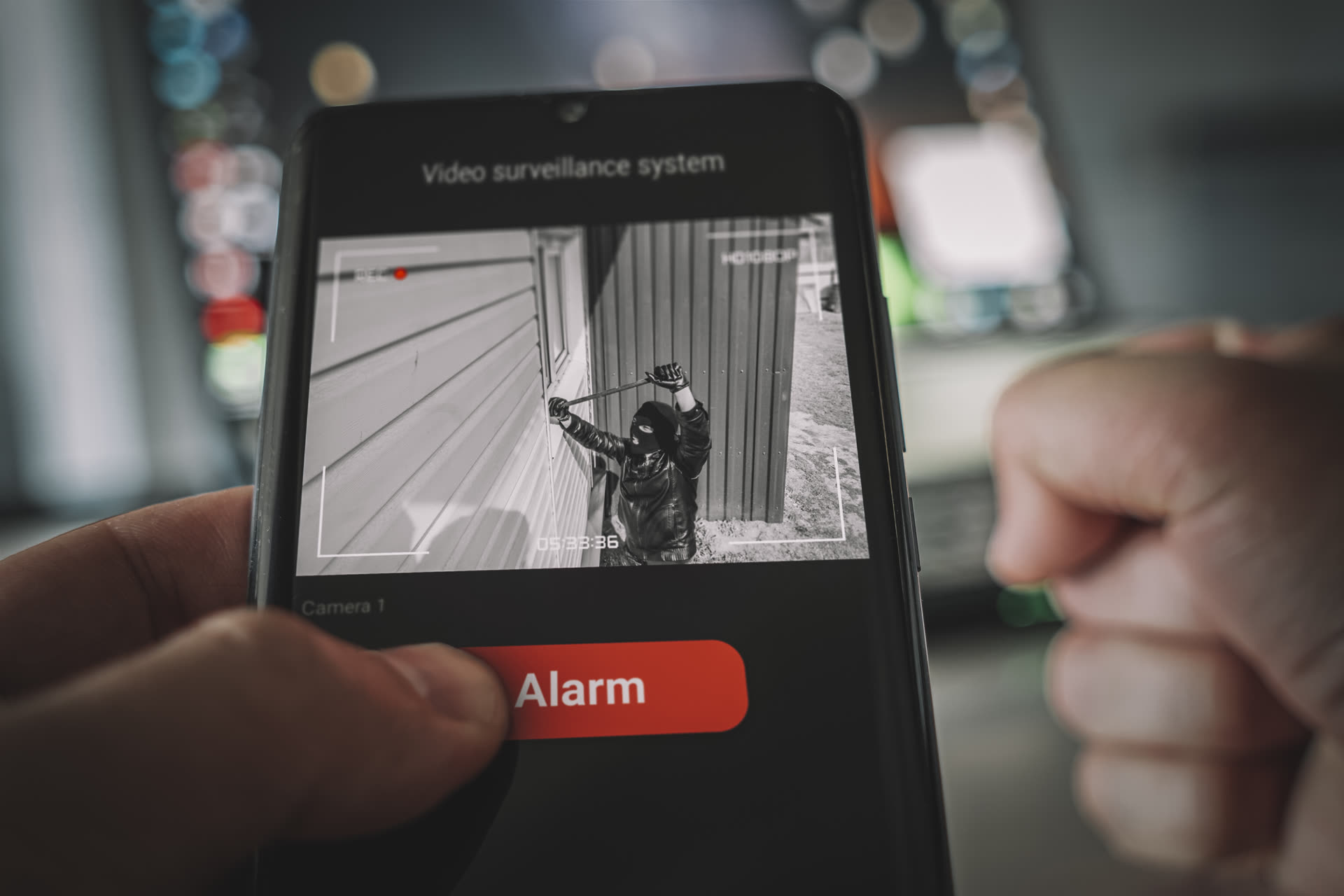
Homeowners planning to install reliable security solutions often struggle to choose the right kind of alarm for their properties. Each technology has distinct advantages and trade-offs, and choosing wisely starts with understanding what’s available.
1. Wired alarm systems
These straightforward systems rely on landline phone connections to transmit signals to monitoring centres. While functional and proven, they’re vulnerable to weather disruptions and physical wire tampering. A cellular backup is advised for reliability.
2. Wireless home alarm systems
Operating via radio frequency rather than phone lines, wireless systems use sensors with built-in transmitters. They can be managed remotely from your mobile device and integrate cleanly with smart home technology.
3. Electric current alarm systems
An economical, entry-level option that monitors entry points exclusively. Low-voltage electric circuits are installed in doors and windows, triggering the alarm when a circuit is broken by an opening.
4. Monitored home alarm systems
More expensive but highly effective, monitored systems use motion and auditory sensors and alert both you and the monitoring centre simultaneously, enabling rapid notification of authorities. Learn more about our 24 hour alarm monitoring.
5. Unmonitored home alarm systems
These produce only audible or visual alerts without contacting a monitoring centre. Their effectiveness depends entirely on someone nearby noticing the alarm and acting.
The bottom line
Home security ranges from a simple siren to sophisticated systems that alert authorities in real time. Whichever level you choose, professional installation by a qualified company ensures the system actually delivers the protection it promises. Talk to our team for advice matched to your property.