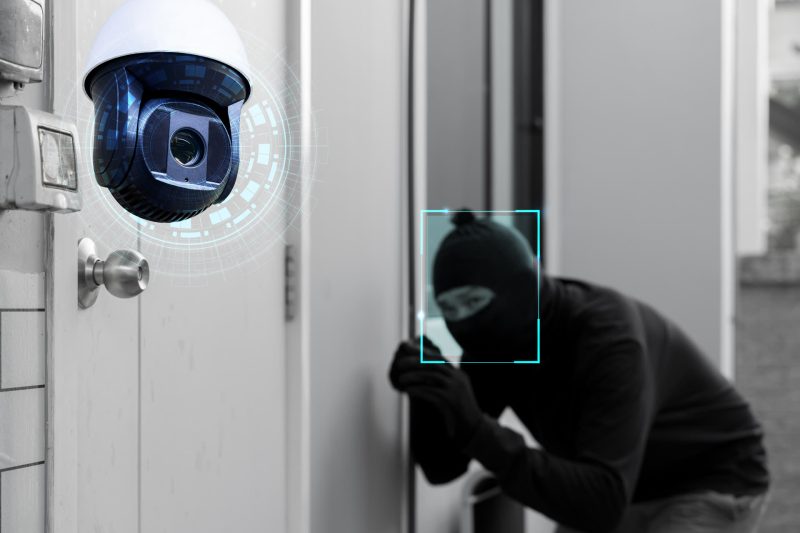

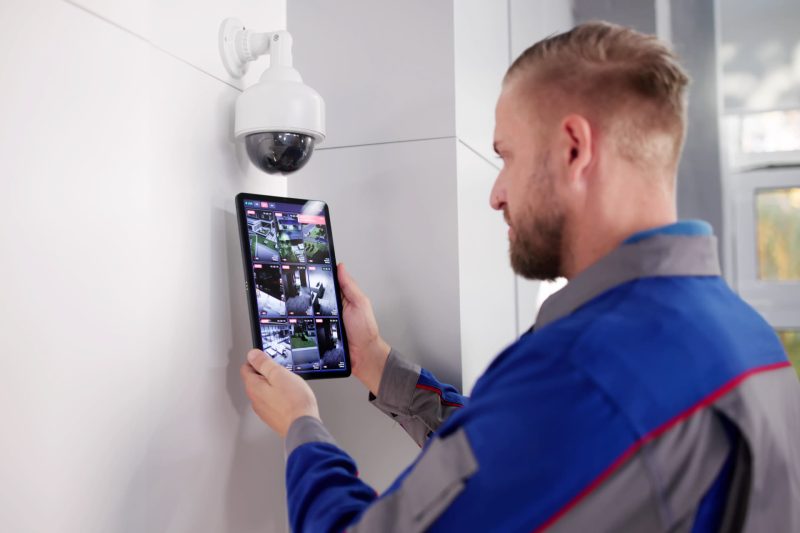


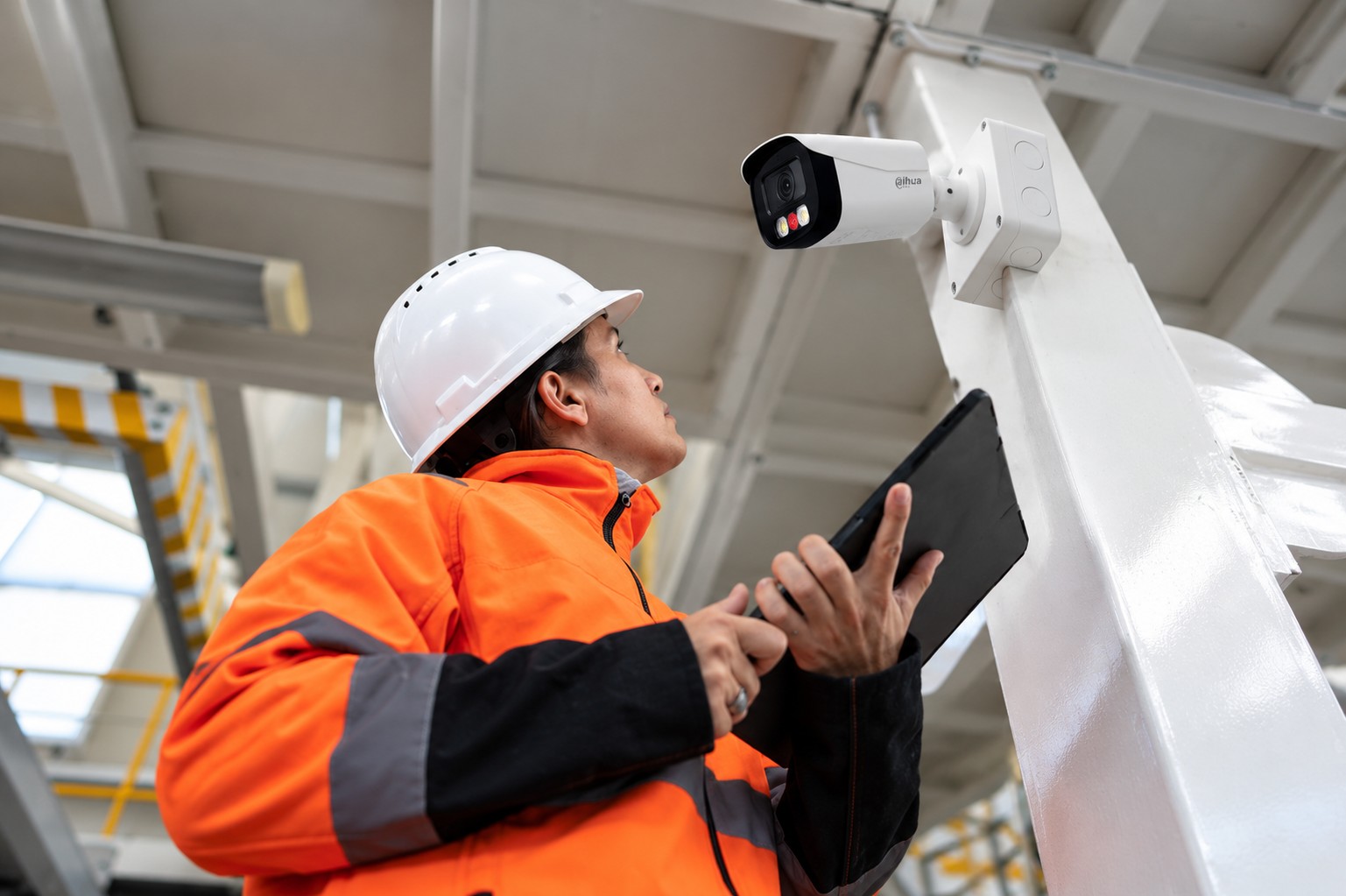
An effective camera system is a deterrent to thieves, burglars, vandals and other unsavoury elements seeking entry into residential properties. Cameras also serve indoors, monitoring children, pets and domestic help. Before installation day, these are the practical details worth getting right.
Consider wireless units
Wireless systems suit homeowners still deciding on camera placement: units can be repositioned as needs change, such as moving a camera from indoor monitoring to front-door surveillance.
Name each camera
Attach a name to each camera in your CCTV software to avoid confusion. It makes viewing and managing the system dramatically easier as the camera count grows.
Plan camera placement
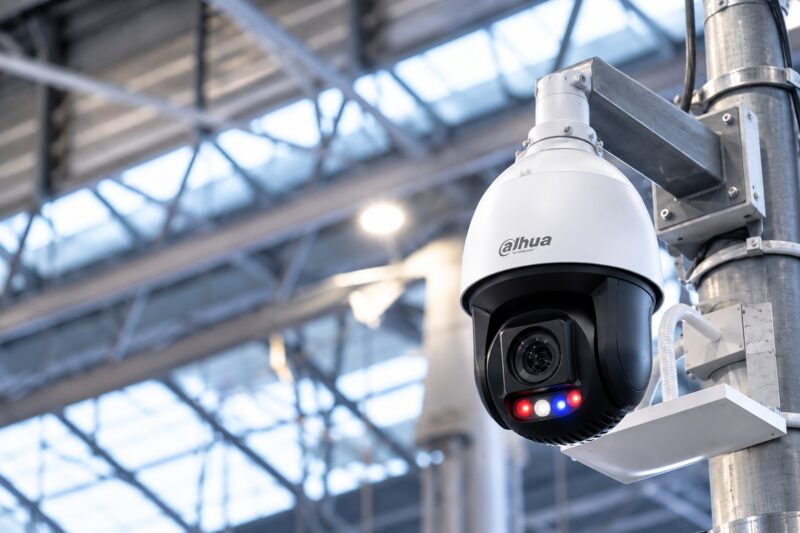
Cameras can be positioned indoors and outdoors, typically up to 100 metres from the base unit. Wireless systems give flexibility for yards, pools and sheds; ceiling mounts suit indoor cameras, while outdoor cameras need appropriate weatherproof mounting kits.
Position for detection
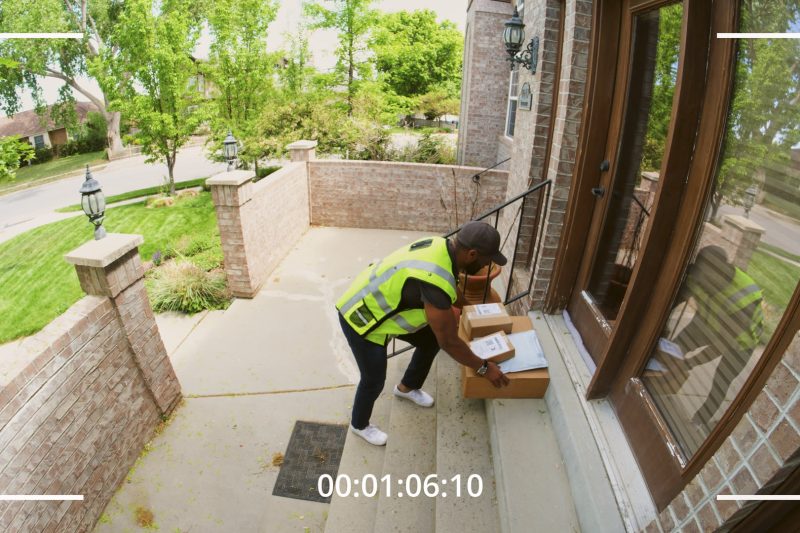
Position cameras at a height of around 7 feet and slant them downwards for optimum detection. Motion-tracking cameras work best mounted higher with wider angles.
Use internet connectivity
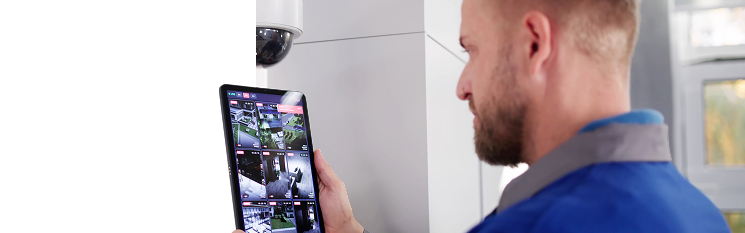
Modern systems let you view feeds from any web-connected device while away from home, worth configuring on day one.
Explore your system’s settings
Each brand offers customisable settings and modes; ten minutes in the configuration menu is the cheapest security upgrade you’ll ever make.
Or let the professionals handle it
A professional install gets placement, wiring and configuration right the first time. Our CCTV installation team covers all of Melbourne with free onsite quotes.