


Quick Summary
CCTV installation cost in Melbourne depends on camera count, camera type, property construction, and installation complexity. A 4-camera residential system is a completely different job from a 16-camera commercial setup. There is no reliable way to get an accurate price without a site inspection — any online figure or phone estimate is missing the variables that matter most for your specific property. This guide explains what those variables are, what a professional quote should include, and what questions to ask before signing anything.
Search for CCTV installation pricing in Melbourne and you will find a wide spread of figures. Some are DIY kit prices that exclude labour entirely. Others are “from” prices built on assumptions about your property that may not apply. Very few explain what actually drives the difference between a straightforward job and a complex one.
This guide is written by the team at CCTV Installation Melbourne — AFP-licensed installers with over 15 years of experience across homes and businesses in Melbourne. We have priced thousands of jobs. The variables that move the price are well-understood, and we will walk you through all of them.
What Factors Actually Drive CCTV Installation Cost in Melbourne?
Two jobs with the same number of cameras can have very different costs. Here is what drives the difference:
1. Camera Count and Type
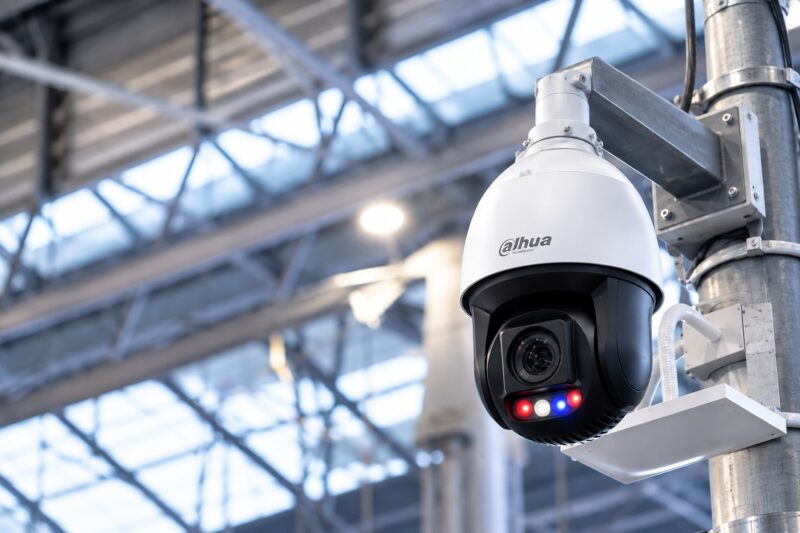
More cameras means more equipment, more cable, and more labour. But camera type matters just as much as camera count. A basic HD bullet camera sits at one end of the price range; a 4K varifocal dome or a PTZ (pan-tilt-zoom) unit capable of covering a large open area sits at the other. Higher-resolution cameras also require more storage capacity, which adds to the recording unit cost.
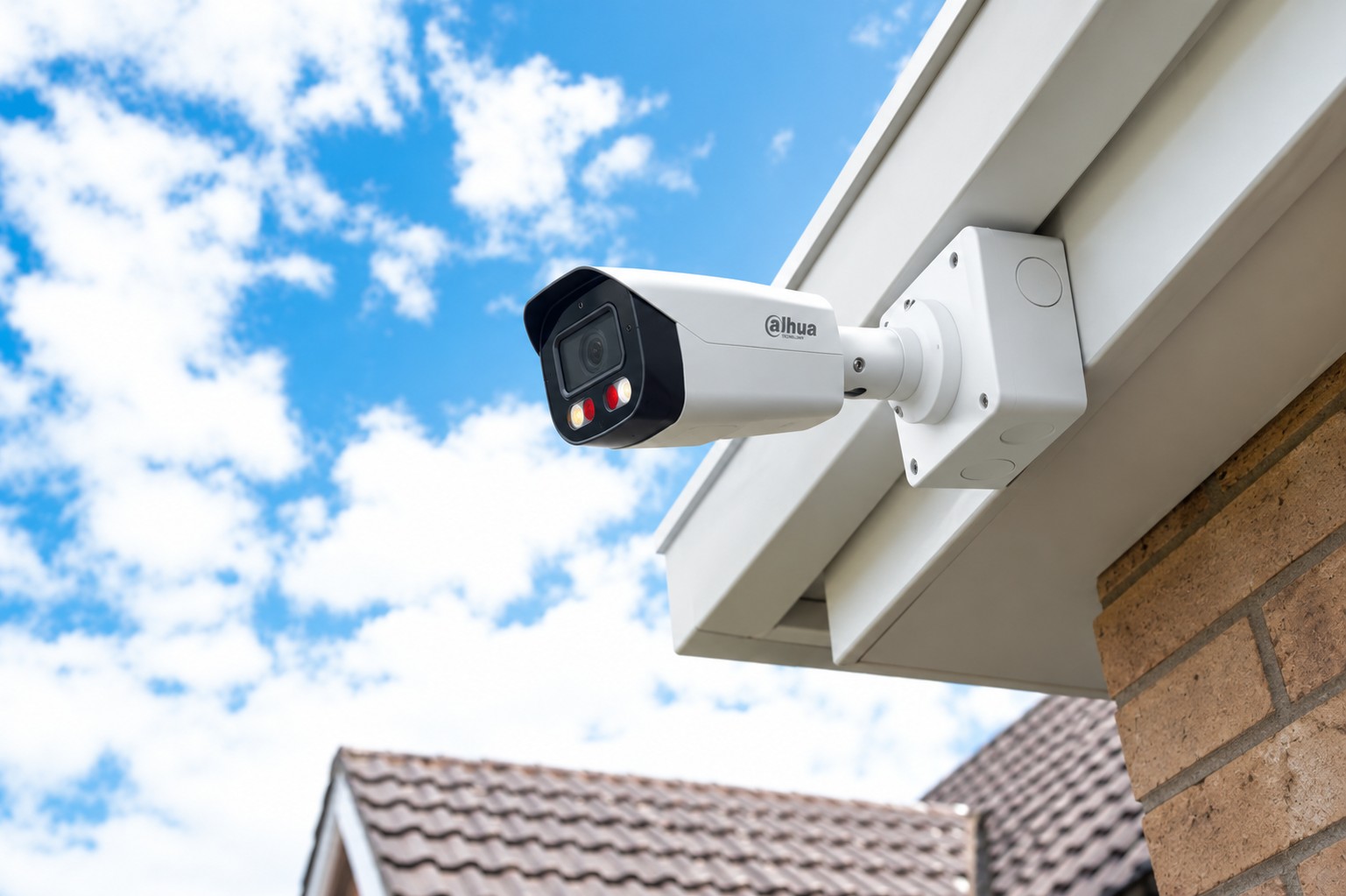
We primarily use Dahua CCTV cameras for residential and light commercial installations — they offer reliable 4K resolution, good low-light performance, and strong app support for remote viewing. For integrated alarm and CCTV setups, we use Bosch alarm systems, which allow a single panel to manage both your cameras and intrusion detection.
2. Property Construction Type
This is the most underappreciated cost factor. Cable routing through a standard brick veneer home is relatively straightforward — a technician can typically run cables through the roof cavity and drop them down internal walls. Double-brick and solid rendered homes are a different story. There is no cavity to work through, which means longer surface runs, more conduit, or more difficult drilling through thick masonry. Expect this to add time and cost to any quote on an older Melbourne home in suburbs like Fitzroy, Carlton, Richmond, or Brunswick.
3. Cable Run Length and Complexity
The further a camera is from the recording unit, the more cable is needed. On a standard lot that is manageable. On a large property with a detached garage, a rear shed, or cameras positioned on the back fence line, the cable runs add up fast. Two-storey homes also require longer vertical runs and occasionally elevated access equipment for roof-mounted or high-eave cameras.
4. Recording Unit: DVR vs NVR
A DVR (Digital Video Recorder) is used with analogue cameras and is the more affordable starting point for basic residential systems. An NVR (Network Video Recorder) is used with IP cameras, supports higher resolutions, and is the standard for any system requiring remote access, motion analytics, or integration with alarm systems. The right choice depends on your existing setup and what you want the system to do — we will always recommend the unit that matches the job, not the one with the highest margin. For a plain-English comparison of analogue and IP systems, see our guide to CCTV vs security cameras.
5. Storage and Retention Requirements
How many days of footage do you need? A 7-day rolling loop is the minimum most residential clients choose. Insurance policies sometimes require 14 to 30 days of retained footage to be eligible for a claim. Commercial premises with compliance requirements (such as licensed venues, childcare centres, or retail with Workers Compensation claims) may need 60 to 90 days. Storage is cheap, but specifying it upfront keeps the quote accurate.
6. Existing System Upgrades
Upgrading an existing CCTV system is often more complex than a fresh installation. Old cable may not support HD or 4K resolution. Existing cameras may be incompatible with a new NVR. If you are looking to extend or replace a system that is more than 5 years old, budget for a full assessment — partial upgrades that mix old and new equipment often create more problems than they solve. Our team also handles CCTV repair and fault diagnosis if your current system has specific issues before you decide whether to repair or replace.
4-Camera vs 8-Camera: Which Setup Do Melbourne Homes Actually Need?
The camera-count question is the one we get most often from residential enquiries. Here is how to think about it practically.
4-Camera System
A 4-camera setup is the standard starting point for most Melbourne homes on a standard-sized lot. A well-positioned 4-camera system typically covers:
- Front entry or driveway (the primary deterrence point)
- Rear yard or back door (the most common point of entry in residential break-ins)
- Side access gate (often the blind spot on standard lots)
- Garage or carport
For most homes in suburbs like Frankston, Dandenong, Pakenham, Werribee, and Craigieburn, a 4-camera system covers the key risk points. CCTV installation in Frankston and outer Melbourne suburbs often follows this configuration as the starting point.
8-Camera System
An 8-camera setup suits corner blocks, properties with large rear yards, homes with multiple outbuildings, or properties in areas where side access, back laneways, or secondary entry points create additional risk. It is also the starting point for most small commercial premises — retail shopfronts, small warehouses, and professional offices typically require at least 6 to 8 cameras to cover entry points, cash handling or reception areas, stock rooms, and car parks. Our CCTV service area covers all of metropolitan Melbourne.
Why we do not publish fixed price lists: An accurate quote requires a site inspection. Published ranges online are almost always based on DIY equipment costs without labour, or templated systems that do not account for your property’s construction type, cable run complexity, or camera positioning requirements. We will always provide a detailed, itemised quote before any work begins — call 0425 197 771 to book a free site visit.
Residential vs Commercial CCTV: How the Pricing Differs
Residential and commercial CCTV installations have different requirements, and that flows through to cost. The table below shows the key differences.
| Factor | Residential | Commercial |
|---|---|---|
| Typical camera count | 4 to 8 | 8 to 32+ |
| Camera type | HD or 4K bullet/dome | 4K IP, PTZ, fisheye, or specialised |
| Recording setup | Standalone DVR/NVR | NVR or server-based, often with redundancy |
| Storage retention | 7 to 14 days typical | 30 to 90 days, often required for compliance |
| Cable complexity | Standard to moderate | Higher, often requiring conduit and trunking |
| Legal compliance | Victorian Privacy and Data Protection Act 2014 | Workplace surveillance laws, WHS, liquor licensing, childcare regulations |
| Quote process | Site visit, same-day quote | Site assessment, scoped written proposal |
Requirements vary. Your installer should confirm the right approach for your specific property and use case before any work is scoped.
Victorian Privacy Law and CCTV: What You Need to Know
This is the part most online pricing guides skip entirely. CCTV installation in Victoria is governed by two pieces of legislation that every property owner should understand before cameras go up.
The Surveillance Devices Act 1999 (Vic) prohibits the installation or use of optical surveillance devices to observe private activity without consent. For CCTV, this means you cannot position cameras to observe areas where people have a reasonable expectation of privacy — a neighbour’s backyard, a bedroom window, or a shared driveway that is not your property.
The Office of the Victorian Information Commissioner (OVIC) also provides guidance on CCTV use by organisations, including signage requirements, retention limits, and data security obligations. Businesses installing CCTV need to comply with this guidance as well as any industry-specific requirements.
A licensed installer will position cameras to maximise your coverage while keeping you on the right side of both Acts. A DIY installation that inadvertently captures a neighbour’s property can expose you to a complaint or legal action — it is not a hypothetical risk.
What a Professional CCTV Installation Should Include (and What It Should Not)
When you receive a quote from a licensed installer in Melbourne, these items should be included as standard — not as add-ons:
- Supply and mounting of all cameras at agreed positions
- Cable installation, routed and concealed through roof cavities and walls where practical
- DVR or NVR supply and configuration
- Power supply connection
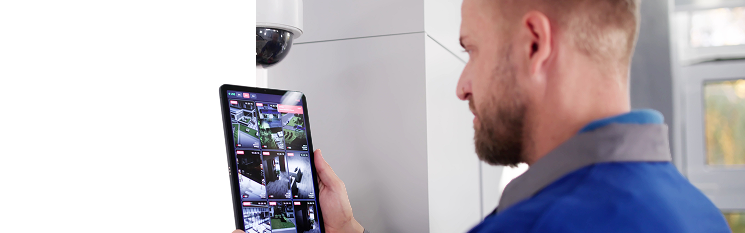
- Remote viewing setup on your smartphone or tablet
- Full system test and sign-off on all camera angles and recording quality
- User walkthrough so you know how to review footage, adjust settings, and export clips if needed
What is not typically included in a standard residential quote: network infrastructure upgrades, alarm monitoring subscriptions, extended equipment warranties beyond manufacturer terms, or integration with third-party access control or intercom systems. If you need your CCTV to work alongside a home intercom system or an existing alarm system, ask your installer to scope these as separate line items so you can compare costs accurately.
AFP-licensed. 15+ years in Melbourne. Free on-site quotes with no obligation.
Does CCTV Reduce Home Insurance Premiums in Melbourne?
The short answer is: sometimes, and it depends on your insurer and policy.
Many Australian home insurers offer a discount for professionally installed security systems, including CCTV. The discount typically applies when the system is installed by a licensed technician and meets the insurer’s specified requirements — which often include a minimum camera count covering entry and exit points, and sometimes require the system to be professionally monitored.
A DIY setup purchased from a hardware store does not always qualify. Before purchasing, call your insurer and ask specifically: what security improvements qualify for a premium reduction, and what documentation do they need? An AFP-licensed installer can provide a certificate of installation that most insurers accept as proof of a qualifying system.
According to the Crime Statistics Agency Victoria, residential burglary remains one of the most common property crimes in metropolitan Melbourne. Insurers price premiums on risk, and a verified security upgrade is a concrete risk reduction — it is worth making the call to your insurer before and after installation.
When You Need a Custom Quote (Not a Phone Estimate)
Some installations simply cannot be priced accurately without a site visit. If any of the following apply to your property, always request an on-site inspection rather than a phone estimate:
- Double-brick or solid rendered construction (common in inner Melbourne suburbs)
- Two or more storeys
- Properties larger than a standard residential lot
- Commercial premises with compliance or workplace surveillance requirements
- Properties where cameras need to cover public footpaths or shared driveways (privacy obligations apply)
- Existing CCTV systems that need upgrading or integrating with new cameras
- Properties in high-density areas where cable routing is constrained by shared walls, common property, or strata by-laws
An on-site quote takes around 30 to 45 minutes. Any installer who gives you a firm, itemised price without seeing the property first is making assumptions that may change significantly once work begins. Under Australian Consumer Law, you are entitled to services delivered with due care and skill — which starts with an accurate scope of work before a price is agreed.
Questions to Ask Your CCTV Installer Before You Commit
A good installer welcomes these questions. One who deflects or gives vague answers is telling you something.
- Are you AFP-licensed? This is the baseline for any security installer operating in Victoria.
- What brand of cameras and recording unit will you use, and why? If they cannot name the brand or explain the choice, that is a red flag.
- Is the quote fully itemised? Equipment, labour, cable, recording unit, and any additional materials should be listed separately.
- What is the cable routing plan for my property? A good installer will have thought this through before quoting.
- What warranty applies to the equipment, and what warranty do you offer on your workmanship? These are separate things.
- Will the cameras be positioned to comply with the Surveillance Devices Act? If they do not know what that is, you do not want them on your property.
- What happens if I need a repair or a camera goes down? Ask about their CCTV repair response and turnaround time.
Why Professional Installation Matters More Than the Upfront Price
DIY CCTV kits from major hardware stores will get cameras on your walls. What they cannot guarantee is that those cameras are positioned to actually capture what matters, cabled in a way that lasts, or legally compliant with Victorian surveillance laws.
The practical costs of a poor installation compound over time. Exposed cables degrade in Melbourne’s variable weather. Incorrectly positioned cameras leave blind spots that only become obvious after an incident. Systems not properly integrated with your network drop offline and do not record. And if you need footage for an insurance claim or a police report, a patchy DIY recording is far less useful than a clean, time-stamped record from a properly configured system.
CCTV Installation Melbourne’s technicians are AFP-licensed with over 15 years of experience across residential and commercial properties throughout Melbourne. We use Dahua cameras and Bosch alarm and CCTV equipment, and every installation is backed by our workmanship guarantee. If you are also considering whole-property security, explore our alarm system installation services, our 24-hour alarm monitoring, and our current specials and packages.
Ready to get an accurate price for your property? Free on-site quotes across all Melbourne suburbs. Same-day service available.
Frequently Asked Questions: CCTV Installation Cost Melbourne
How much does CCTV installation cost in Melbourne?
The cost depends on camera count, camera type, property size, construction type, and installation complexity. A 4-camera residential system is a very different job from a 16-camera commercial setup. Double-brick and rendered homes cost more to cable than standard brick veneer. The most reliable way to get an accurate figure is a free on-site quote — call 0425 197 771 to book one.
Is a 4-camera or 8-camera system better for a Melbourne home?
A 4-camera system suits most single-dwelling homes, covering the front entry, rear yard, side access, and garage. An 8-camera setup suits corner blocks, larger lots, or homes in higher-risk suburbs where extended coverage is needed. Your installer should physically walk the property before recommending a camera count — a phone estimate without a site visit is based on assumptions that often change once work starts.
What is included in a professional CCTV installation in Melbourne?
A professional installation includes supply and mounting of all cameras, concealed cable runs through roof cavities and walls where practical, DVR or NVR supply and configuration, power supply connection, remote viewing setup on your smartphone, full system test, and a user walkthrough. It does NOT typically include network infrastructure upgrades, alarm monitoring subscriptions, or integration with access control systems — confirm these as separate line items if you need them.
Do I need a licensed installer for CCTV in Victoria?
You are not legally required to use a licensed installer for domestic CCTV in Victoria, but AFP-registered installers carry liability insurance, understand Victorian privacy obligations under the Surveillance Devices Act 1999, and can certify work for insurance claims. CCTV Installation Melbourne technicians are AFP-licensed.
Can CCTV cameras legally cover public footpaths in Melbourne?
Capturing footage of public areas from private property is generally permitted in Victoria provided it does not intentionally capture private activity. However, aiming cameras at neighbouring properties or areas where people have a reasonable expectation of privacy can breach the Privacy and Data Protection Act 2014. A licensed installer will position cameras to maximise your coverage while keeping you compliant.
Does CCTV reduce home insurance premiums in Melbourne?
Many Australian home insurers offer discounts for professionally installed security systems including CCTV. The discount varies by insurer and policy. A DIY setup does not always qualify — some policies specifically require a licensed installer and may ask for a certificate of installation. Call your insurer before purchasing to confirm what qualifies.
What CCTV brands do Melbourne installers use?
CCTV Installation Melbourne uses Dahua cameras for most residential and light commercial installations, and Bosch systems for integrated alarm and CCTV setups. Brand selection depends on the system type, budget, and whether the installation needs to integrate with an existing alarm system.
Can I get a quote for CCTV installation in Melbourne?
Yes. CCTV Installation Melbourne offers free, no-obligation on-site quotes across all Melbourne suburbs. Call 0425 197 771 or submit a quote request online.